Wednesday, 14 May 2014

How to Clean a Painted Wall


Sticky fingermarks are probably not a good look after the agony over paint charts. The gist is they are usually straightforward to remove.
Wipe small spots on the paint with a damp cloth as soon as you discover them.
Larger areas of wall can be washed down, but make sure you swipe the wall (Using a dry microfibre cloth) to remove dust that will mix with the water and smear all over the wall otherwise. Use a weak detergent or a solution washing-up liquid and warm water and a sponge or cloth.
 Dry off with paper towels as you go.

Heavier staining can be tackled with a solution of washing soda, but test in an inconspicuous area first.
If all else fails, you can always paint over the offending mark. Lol


How to Clean your Fridge


Cleaning your fridge weekly is equivalent to taking your bath daily. Yes, I said so.

Every Week: Remove fridge shelves and compartments and wash them in warm soapy water, then rinse. Wipe the inside of the fridge with a potion made up of two teaspoons of detergent for every litre of warm water. Get into the rubber door seal with an old toothbrush and don't forget the outside of the door and the handle - germs will have a ball here if left unchecked.


Stains inside the fridge can be rubbed with soap or white toothpaste.

I hope these tips have been helpful.

How to Clean your Freezer


You know it's time to start a freezer-cleaning routine when you need an ice pick or a knife to get your peas or food material. Ahahaha


When ice starts to build up, defrost the fridge or fridge freezer. Transfer the cargo to cool bags then stick a bowl of hot water inside to help the thaw (Frozen Substance). Once the ice is melted, clean out the appliance as above and restock generously.

A couple of times a year pull the appliance away from the wall and gentle clean the cooling elements at the back. It will make the freezer more efficient, so you have more money to spend on filling it up.


N.B: Check manufacturer's instructions first if you are unsure as to whether the item you are cleaning is suitable for our instructions.

How to Remove Rust from Fabrics or Metal Bakeware


Destructive to metal, rust can also leave a bad stain on fabrics unless dealt with quickly.

It will amaze you how you can easily remove rust from these materials.


Here you go:


From clothing: Apply a paste of lemon juice and bicarbonate of soda to the rust (test an inconspicuous area first), leave to penetrate for a couple of hours, then wash as usual. 


From metal bakeware: Sprinkle powdered detergent on the rust and rub with half a raw potato (yes, really).

From iron and steel: This is can be achieved by rubbing down with sandpaper. 

So easy. What do you think?


How to Remove Glue from Materials


Most often, glue stick where you don’t want it and creates mess.

Here are simple tips that will help you remove them:

  • Start by sponging the area with warm soapy water to dissolve the glue - you may have to repeat this process several times.
  • If that doesn't work, rub ice on the glue first to make it hard and brittle then scrape off as much as you can with a blunt knife. Rinse any remaining stain in plenty of cold water.


This will help solve the challenges of glue stains.

Monday, 2 September 2013

How to Wash a Mosquito Net


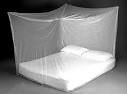
Mosquito net can be extremely handy when dealing with the little outdoor pests. Keeping the net clean is essential to its proper function. Here’s what you need to know.

Begin by filling the sink or tub with water and mixing in a small amount of laundry detergent.
Agitate the water slightly until suds begin to form.
Gently place the net into the water.
Allow it to soak for a few minutes to loosen any dirt or dust build-up.
Next, gently agitate the net in the water. Do not use too much force as that may cause the netting to tear.
Remove the net and drain the soapy water. The water can be gently squeezed out, but avoid wringing it as that will stretch it and can change the shape
Fill the sink or tub again with clean water.
Place the net in the clean water to rinse it.
After the soap has been rinsed, remove the netting. Again, squeeze it gently, but do not wring it out.
Place the wet net between two soft towels.
Carefully press on the net to remove the excess water. Mosquito net is so thin that most of the water will be absorbed by towels.
To allow it to dry completely, it can be spread out over clean, dry towels or even draped across a large piece of furniture such as the couch or bed.
When it is completely dry, it is ready to be reinstalled.

Things you Should Know About Washing Your Jean


Okay, i love Jeans alot and won't like mine to get spoilt quick...
So i learnt these tips and wants to share with you.


  • If you want your favourite jeans to last a long time, don’t just treat them like any other article of clothing. A little extra care when washing your jeans can go a long way in extending their life and good looks.


  • First, read the care label inside your jeans. If any of the directions for washing contradict what is contained in this article, opt for the manufacturer’s directions as listed on the tag.
  • Empty the pockets of your jeans
  • Turn your jeans inside out.
  • Hot water and jeans don’t mix. If you wash your jeans in hot water, they may shrink and fade!
  • NEVER use bleach when washing your jeans as this will cause fading, discolouration and uneven blotches.
  • Wash light blue jeans and dark blue jeans separately to avoid dye transfer and colour blotching.
  • Black jeans tend to shrink and fade faster than blue jeans. Try adding some regular table salt to the wash water (about ¼ cup), especially the first few times you wash, to lessen fading and shrinkage.
  • Hang them on a clothes line or clothes rack to air dry (if indoors, make sure you place a towel underneath to catch the drips). Drying time will vary, but may take as long as two days, so plan ahead if you intend on wearing your jeans soon after washing.
Yea! Happy New Month too.